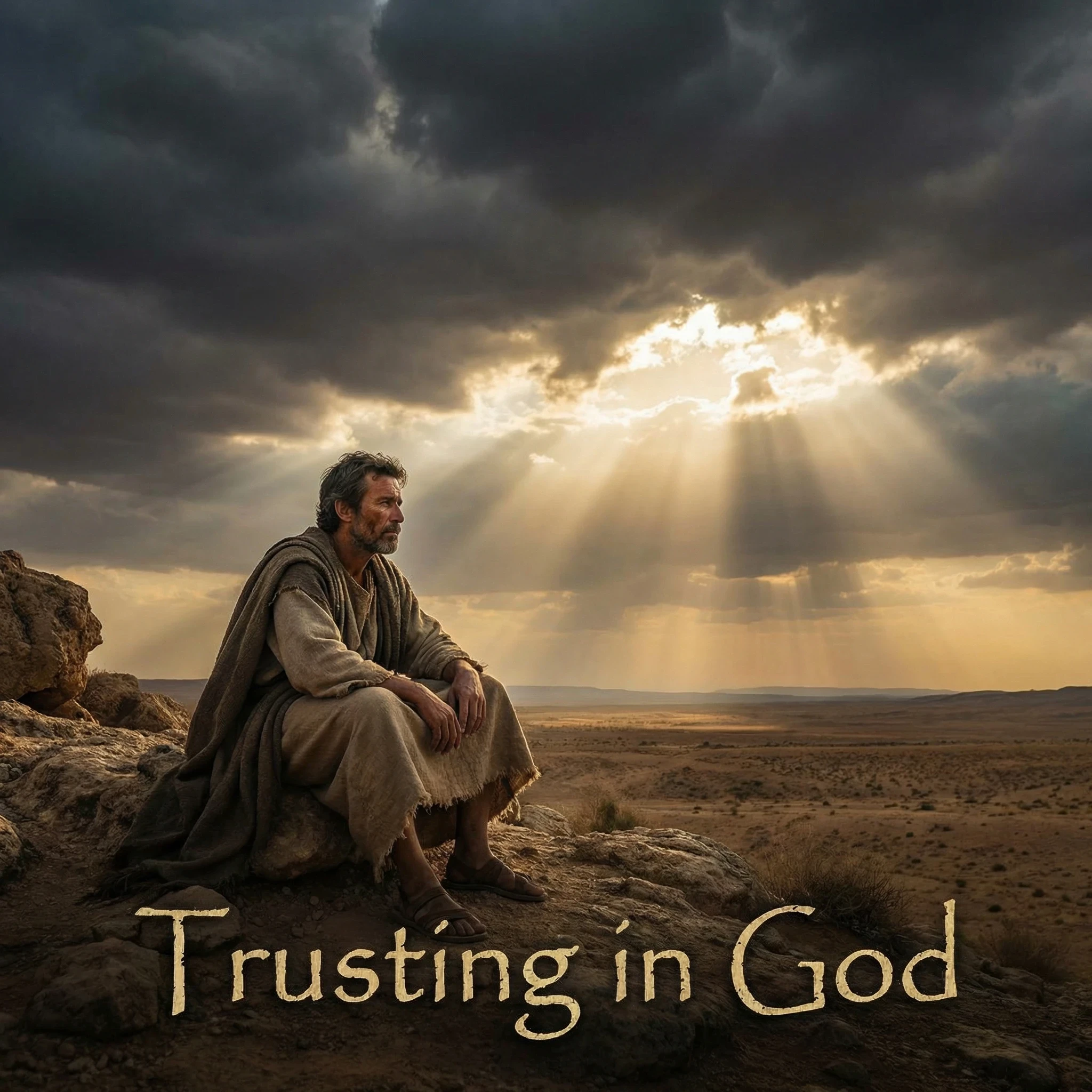
Have you ever really sat down and taken a good look at the story of Job — yes, the one from the Bible? That’s the one I am talking about.
Hi, I am Pastor Paul, and welcome to my take on the story of Job.
Have you ever looked at a story and seen yourself reflected in it?
I have.
In many stories, Job has always held a special place in my heart. My mother’s maiden name was Job, and that was what first attracted me to the story. Yet Job is much more than a name to me.
Job is about life.
· It is about identity.
· It is about suffering.
· It is about perspective.
And most of all — it is about how we see ourselves when everything falls apart.
Today I want to break this down into five perspectives:
· How Job saw himself
· How God saw Job
· How Satan viewed Job
· How his wife and friends saw him
· How Job eventually came to see himself
And finally – My point. – Why am I writing this?
1. How Job Saw Himself

At the beginning of the book of Book of Job, Job saw himself as a righteous man.
· He was blameless,
. He feared God.
· He shunned evil.
· He offered sacrifices regularly — even on behalf of his children.
Job saw himself as responsible, faithful and protected.
And why wouldn’t he?
· He had wealth.
· He had children. (an important measure in ancient times)
· He had good health.
· He had a good reputation.
But Job had one fatal flaw, his view of God was the same world view his friends had. He made sacrifices for his children out of fear that his children had sinned. A fear that Satan exploited.
But here is something powerful: Job’s identity was partially wrapped in his integrity and his blessing.
Many of us are the same. we see ourselves as:
- Good parents
- Faithful believers
- Hard workers
- Respected individuals
Until something strips it all away, then the real question emerges:
Who are you when everything that affirmed you is gone?
2. How God Saw Job

Before Job lost anything, God spoke of him.
God said Job was blameless and upright,
One who feared God.
One who turned away from evil.
Pause there.
God’s assessment of Job was not based on Job’s wealth.
It was based on his character.
God saw Job’s heart.
And here is something that should shake us:
God allowed Job to be tested — not because He doubted him, but because He trusted him.
Let that settle in.
Sometimes the trial is not a sign of God’s anger.
Sometimes it is a sign of God’s confidence in you.
3. How Satan Viewed Job

Satan did not see Job as righteous. He saw him as strategic.
He accused Job before God, saying essentially: “Does Job fear God for nothing?”
In other words: He serves You because You bless him. Take away the blessing — and he will curse You.
Satan viewed Job’s faith as conditional, transactional and fragile.
The enemy still does this today.
He looks at your worship and says: “They only praise because life is good.”
He looks at your obedience and says: “Take away their comfort — and they will fold.”
But here is the truth: The enemy does not know your depth.
Only God does.
4. Job, His Wife, and His Friends
Part 1 – Job’s Wife: Grief, Influence, and Subtle Strategy
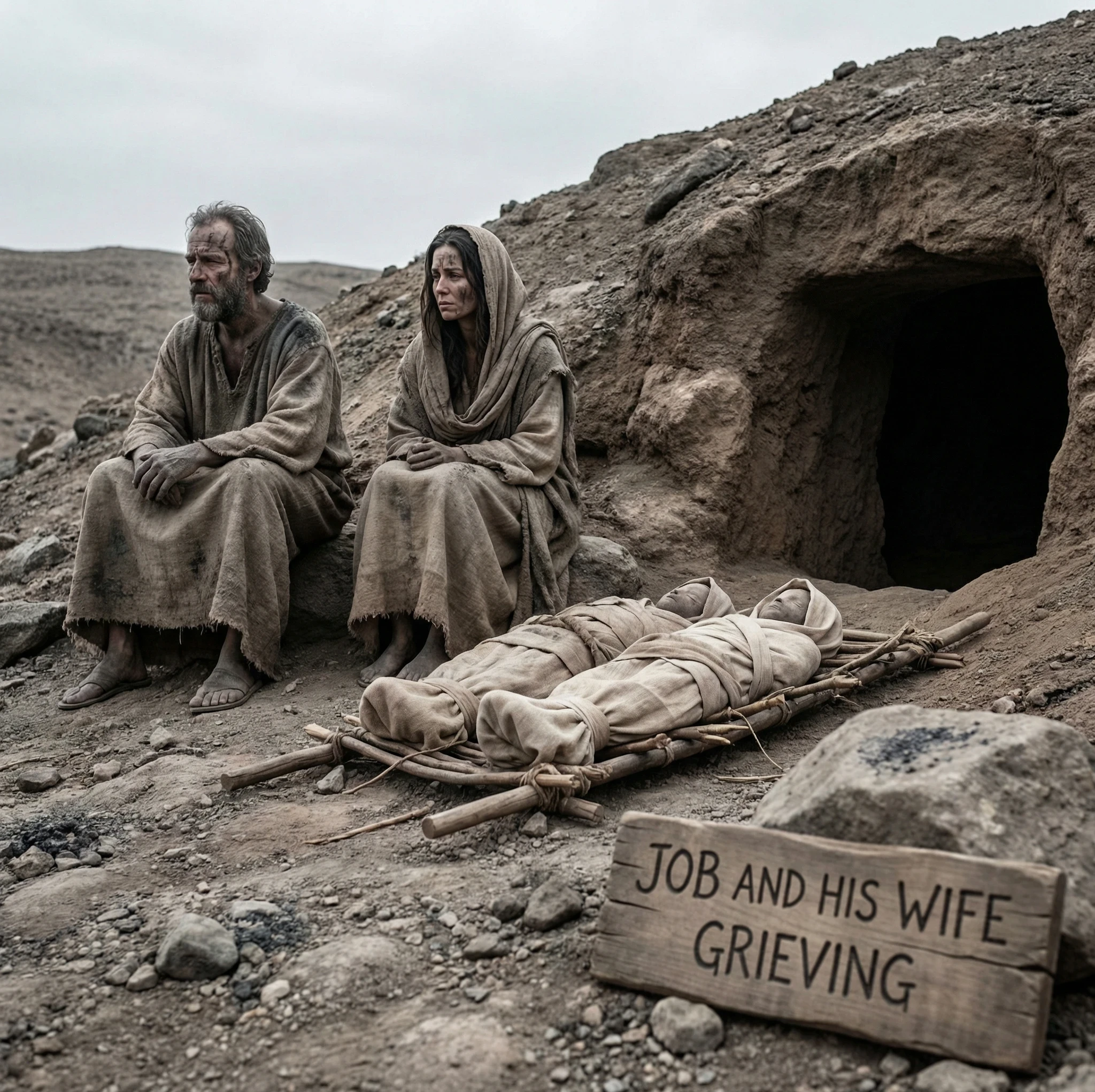
When everything collapsed, Job’s wife says to him:
“Curse God and die.”
That was not said out of cruelty.
Here is a woman also in grief.
All of her children are dead, every child she carried, every child she nurtured.
Every future she imagined — gone.
Her husband — the man she has spent her entire life with — is sitting in ashes, covered in sores, scraping himself in agony.
Her covering, her companion, her strength,
Now broken, now suffering beyond recognition.
Her words were not hatred, they were heartbreak.
They were the cry of someone who could not bear to watch the man she loved suffer any longer.
Perhaps in her mind she was thinking: “End this pain.”
But we must also understand something deeper.
Satan is very subtle.
He does not always come through enemies.
Most times he whispers through those closest to us.
Job’s wife was one of the people Satan knew Job would listen to.
And so, in her grief — under emotional devastation, under spiritual pressure, under the weight of unimaginable loss — she speaks the very words the enemy had hoped would come from Job himself:
“Curse God and die.”
Notice something powerful:
Satan disappears from the visible narrative after the heavenly exchange.
But his influence lingers.
The temptation did not only come through loss, it came through voice.
That is how the enemy often works.
Not always through destruction, but through suggestion.
Not always through attack, but through persuasion.
Yet Job responds:
“Shall we accept good from God, and not trouble?”
He corrects her — but he does not abandon her.
He remains anchored.
And in that moment, we see something profound:
Grief can distort perspective.
Pain can open doors to subtle influence.
But integrity rooted in God withstands both.
Part 2 – His Friends: Theology Without Revelation

His friends?
They saw him as guilty.
In their theology, suffering meant sin.
This was their worldview.
“If this happened to you, you must have done something wrong.”
And this way of thinking did not begin with them.
It was a widely accepted belief — the same view echoed by the disciples in Gospel of Luke 13:4–5 when they referenced the tower of Siloam that fell and killed eighteen people.
The assumption was clear:
Those who experience sudden tragedy must be worse sinners than others.
They accepted the popular belief that victims of violent deaths and catastrophes were being judged.
That belief is simple, comfortable and dangerously incomplete.
Job’s friends operated from a rigid formula:
Righteous = Prosperity
Sinful = Suffering
So, when Job suffered, they concluded:
He must have sinned.
But how often do we do the same?
We judge ourselves, we judge others, we simplify suffering into formulas.
We create spiritual math where mystery exists.
But the story of Job dismantles that thinking.
· Not all suffering is punishment.
· Not all trials are consequences.
· Sometimes they are mysteries.
And sometimes they are platforms for revelation.
Job’s friends had theology, but they lacked perspective.
They spoke about God — but did not understand what God was doing.
And in the end, God rebukes them.
Because speaking confidently without divine insight can wound more deeply than silence.
When Job’s Friends Sit in Our Churches Today
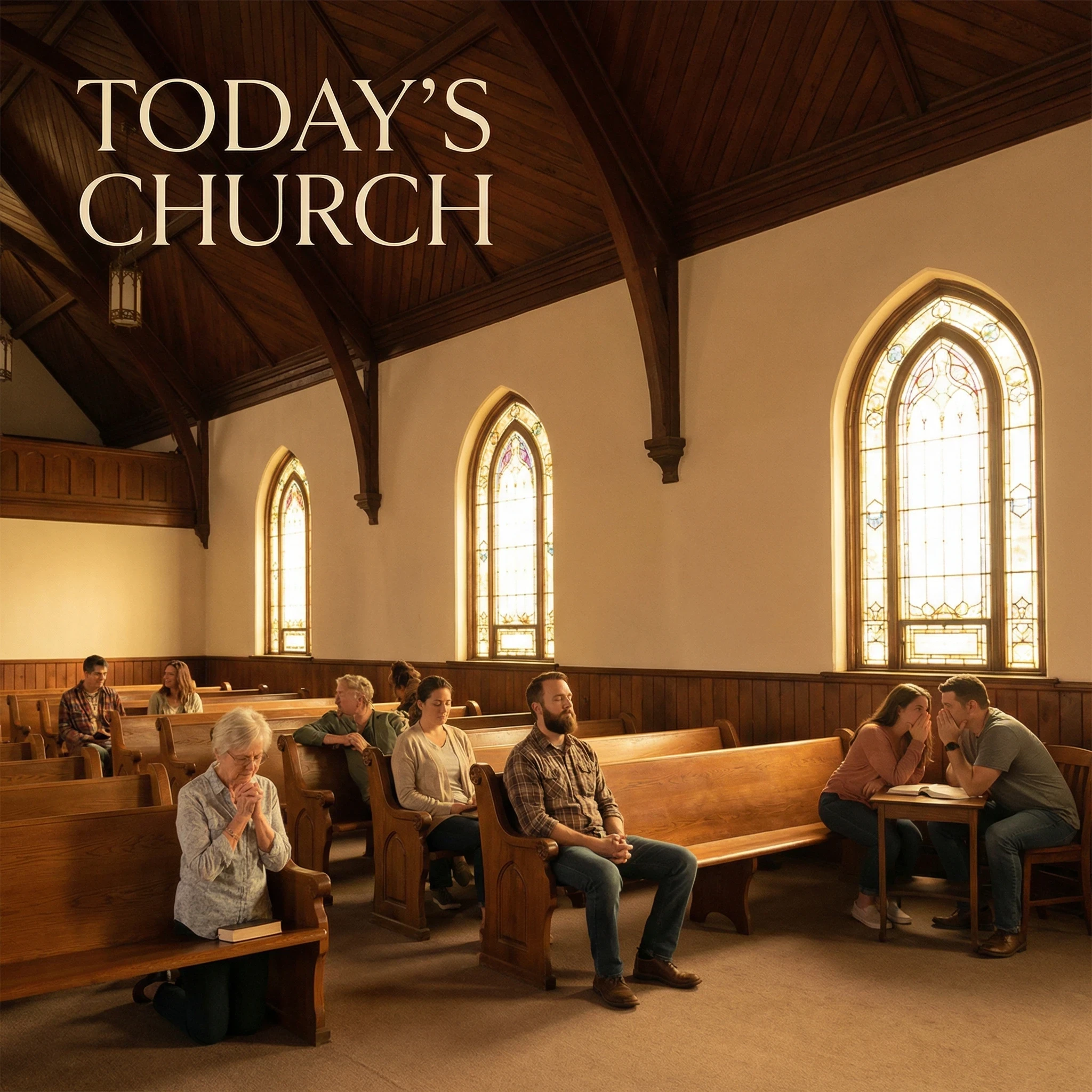
It would be easy to leave Job’s friends in the ancient world, but we cannot.
Because sometimes Job’s friends are not just characters in Scripture.
They are attitudes that still sit in our churches.
Their worldview was simple:
If you are blessed, God is pleased.
If you are suffering, something must be wrong.
And if we are honest, that thinking has never fully disappeared.
Today it may sound like this:
- “You must not have enough faith.”
- “Did you open a door?”
- “Check your obedience.”
- “There must be hidden sin.”
Now hear me clearly.
Sin has consequences.
Disobedience has effects.
But not every storm is discipline, not every hardship is correction, and not every sickness is judgment.
Yet in modern church culture, we sometimes rush to diagnose instead of discern.
We want tidy explanations, spiritual formulas and predictable outcomes.
Why?
Because mystery makes us uncomfortable.
Job’s friends were uncomfortable with mystery.
They preferred theology that felt controlled.
If Job was righteous and still suffered, their entire belief system would collapse.
So instead of adjusting their theology, they decided to adjust Job.
And sometimes we do the same, we try to protect our understanding of God by blaming the wounded.
But here is what the Book of Job teaches us:
God does not need us to defend Him with assumptions.
Sometimes the most spiritual response is not explanation — it is presence.
Job’s friends actually did something beautiful at first, they sat with him in silence for seven days.
That was their finest moment, they only began to err when they began to speak beyond their revelation.
Modern church culture must learn this again.
We must:
- Sit before we speak.
- Pray before we diagnose.
- Comfort before we correct.
- Listen before we label.
Because when suffering people feel judged by the church, they may withdraw not only from people — but from God.
And that was never God’s heart.
The story of Job dismantles performance-based faith. it confronts prosperity-only theology.
It exposes the danger of spiritual pride disguised as certainty, and it invites us into something deeper: humility, compassion and reverence for mystery.
If we are not careful, we can become modern versions of Job’s friends — speaking truth without tenderness, doctrine without discernment, correction without compassion.
And in doing so, we may misrepresent the very God we claim to defend.
Added Takeaway: What Job’s Friends Teach Us Today
- Not all suffering is a sign of sin.
- Mystery does not mean God is absent.
- Silence can be more spiritual than speculation.
- Theology must be held with humility.
- Compassion should precede correction.
Let me leave you with this question you may want to place at the end of this section:
When someone around you is suffering…
Do they feel examined?
Or embraced?
Because how we respond to pain says more about our theology than our sermons ever will
5. Job — The Outcome: How He Came to See Himself

At the end of the story, something profound happens.
Job says:
“I had heard of You by the hearing of the ear, but now my eye sees You.”
Before the trial, Job knew about God, after the trial, Job knew God.
And in seeing God clearly – he saw himself clearly.
He repented, not because he committed hidden sin, but because he realized how small his understanding was.
Suffering stripped him of self-reliance, it deepened his revelation.
And that is transformation.
What Does God Say of Himself?
When God finally speaks, He does not explain the suffering.
He reveals His sovereignty.
He asks:
“Where were you when I laid the foundations of the earth?”
God reminds Job — and us — that
· He is Creator.
· He is Sustainer.
· He governs the cosmos.
· He commands the seas.
· He speaks to the stars.
God’s response is not information, it is revelation.
He does not answer the “why.”
He reveals the “Who.”
And sometimes that is enough.
What Exactly Is My Point?
Here it is.
The story of Job is not primarily about suffering.
It is about identity., about how you see yourself
Are you:
- Defined by your blessings?
- Defined by your losses?
- Defined by other people’s opinions?
- Defined by the enemy’s accusations?
Or are you defined by how God sees you?
Because here is the truth: God’s view of you does not change when your circumstances do.
You may feel stripped, misunderstood, accused and broken.
But Heaven will still be saying:
“Blameless. Upright. Faithful.”
Main Takeaways from the Story of Job
- Your trials are not always punishment.
- The enemy misjudges your depth.
- Others will misunderstand your suffering.
- God’s silence does not mean that He is not present.
- Revelation often comes through adversity.
- Knowing God is greater than understanding your pain.
 .)
.)
So, let me leave you with this:
When everything in your life is shaking,
when friends misread you, when the enemy accuses you, and
when even you question yourself…
Whose voice are you listening to?
How do you see yourself?
Because the story of Job teaches us this:
The greatest transformation is not restoration of wealth. It is clarity of vision.
It is seeing God rightly and therefore seeing yourself rightly.
And when you see yourself through God’s eyes, no storm can redefine you.
Grace and peace,
Pastor Paul